- Education
Education
Education Hub
Learn the Basics. Make Better Electrical Decisions.
Understanding how your electrical system works doesn’t have to be complicated. This page is designed to give you clear, practical insights into common electrical topics, helping you recognize issues early, make informed decisions, and feel confident when it comes to your property’s safety and performance.



Frequently Asked Questions
Straight Answers to Common Electrical Questions
Electrical work can feel confusing if you’re not familiar with how systems operate. This section is designed to give you clear, honest answers to the most common questions we hear from homeowners, business owners, and property managers across the GTA.
How do I know if my electrical panel needs an upgrade?
If your breakers trip often, lights flicker, or your panel is outdated, it may not be able to handle modern electrical demand. An upgrade improves safety and system capacity.
What’s involved in installing an EV charger at home?
EV charger installation typically includes assessing your panel capacity, running a dedicated circuit, and safely installing the unit to meet electrical code requirements.
Why are my lights flickering?
Flickering lights can be caused by loose connections, overloaded circuits, or issues with your electrical panel. It’s important to have it checked to prevent larger problems.
Is it safe to use older wiring in my home?
Older wiring can be safe if it’s in good condition, but many older systems don’t meet today’s standards. An inspection can determine if upgrades are needed.
Do I need a licensed electrician for small jobs?
Yes. Even minor electrical work should be handled by a professional to ensure safety and compliance with code.
Industry Insights
Articles
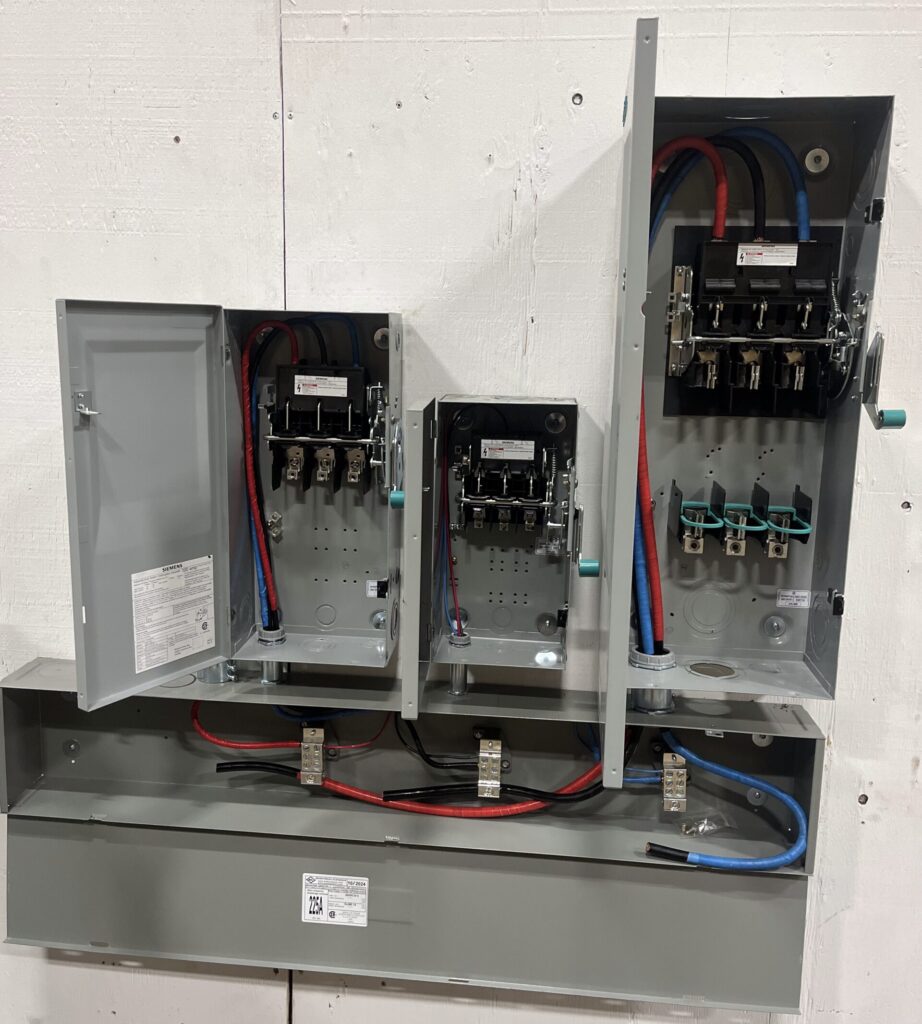
What Does an Electrical Panel Actually Do?
Updated September 2025
Your electrical panel is the central hub that controls how power is distributed throughout your property. Every outlet, light, and appliance connects back to this system through individual circuits, allowing electricity to flow safely and efficiently to where it’s needed. Without it, your electrical system wouldn’t be organized or protected.
The panel also acts as a critical safety barrier. Inside, circuit breakers monitor the flow of electricity and automatically shut off power when a circuit becomes overloaded or a fault is detected. This helps prevent overheating, damage to appliances, and potential fire hazards. In many ways, it’s the first line of defense for your entire electrical system.
As homes and businesses continue to rely on more devices, higher-powered appliances, and new technologies like EV chargers, older panels can struggle to keep up with demand. This can lead to frequent breaker trips, inconsistent power, or even unsafe conditions. Upgrading your panel ensures your system can handle modern electrical loads safely and reliably.
A properly functioning panel not only improves performance but also gives you peace of mind, knowing your property is protected and built to handle both current and future electrical needs.
The panel also acts as a safety barrier. If a circuit becomes overloaded or a fault is detected, breakers trip to shut off power and prevent overheating, damage, or fire hazards. As homes and businesses add more devices and higher-demand equipment, older panels can struggle to keep up. That’s when upgrades become necessary to maintain safe and reliable performance.
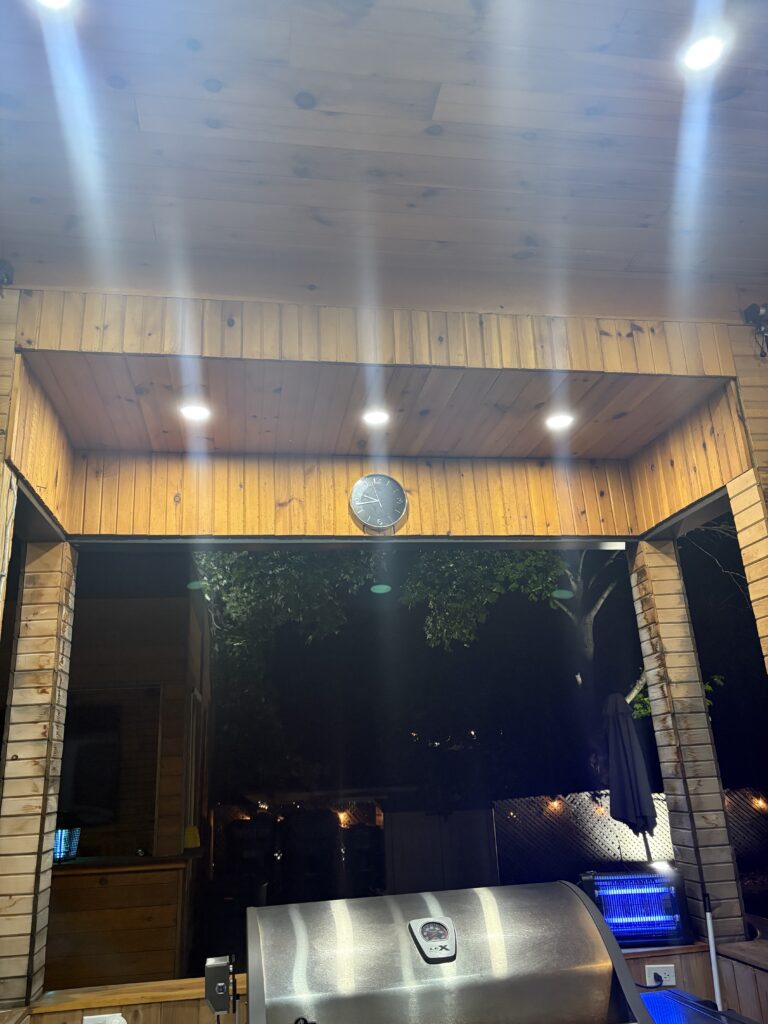
Why Energy Efficiency Matters in Modern Electrical Systems
Updated October 2025
Modern electrical systems are designed to do more than just deliver power — they’re built to do it efficiently. Energy-efficient upgrades, such as LED lighting and improved system design, allow properties to maintain strong performance while reducing unnecessary energy consumption. This means you get the same or better results while using less power.
One of the biggest advantages of energy efficiency is long-term cost savings. By reducing how much electricity your system uses, you can lower monthly utility bills without sacrificing comfort or productivity. Over time, these savings can become significant, especially in commercial or high-usage environments.
Efficient systems also place less strain on your electrical infrastructure. When circuits and components aren’t constantly operating at maximum capacity, they generate less heat and experience less wear. This can extend the lifespan of your equipment and reduce the likelihood of breakdowns or repairs.
Beyond cost and performance, energy-efficient solutions also support a more sustainable approach to power usage. Whether it’s a home or business, upgrading your electrical system is a practical step toward better performance, lower costs, and long-term reliability.
The panel also acts as a critical safety barrier. Inside, circuit breakers monitor the flow of electricity and automatically shut off power when a circuit becomes overloaded or a fault is detected. This helps prevent overheating, damage to appliances, and potential fire hazards. In many ways, it’s the first line of defense for your entire electrical system.
As homes and businesses continue to rely on more devices, higher-powered appliances, and new technologies like EV chargers, older panels can struggle to keep up with demand. This can lead to frequent breaker trips, inconsistent power, or even unsafe conditions. Upgrading your panel ensures your system can handle modern electrical loads safely and reliably.
A properly functioning panel not only improves performance but also gives you peace of mind, knowing your property is protected and built to handle both current and future electrical needs.
The panel also acts as a safety barrier. If a circuit becomes overloaded or a fault is detected, breakers trip to shut off power and prevent overheating, damage, or fire hazards. As homes and businesses add more devices and higher-demand equipment, older panels can struggle to keep up. That’s when upgrades become necessary to maintain safe and reliable performance.
What to Know Before Installing an EV Charger
Updated November 2025
Installing an EV charger is a great step toward convenience and efficiency, but it requires proper planning to ensure it’s done safely and correctly. One of the first things to consider is whether your current electrical panel has the capacity to handle the additional load. In many cases, an evaluation is needed to determine if upgrades are required.
A dedicated circuit is typically installed for the charger, which allows it to operate independently without overloading other parts of your system. This ensures consistent performance and reduces the risk of electrical issues. The type of charger you choose also plays a role, as different units have different power requirements.
Placement is another important factor. The charger needs to be installed in a location that is both convenient for daily use and compliant with safety standards. This includes proper spacing, accessibility, and protection from environmental factors if installed outdoors.
A professional installation ensures that everything is done to code, properly connected, and tested for safe operation. When done right, an EV charger adds value to your property and provides a reliable, long-term solution for your charging needs.
Residential vs Commercial Electrical Work: What’s the Difference?
Updated December 2025
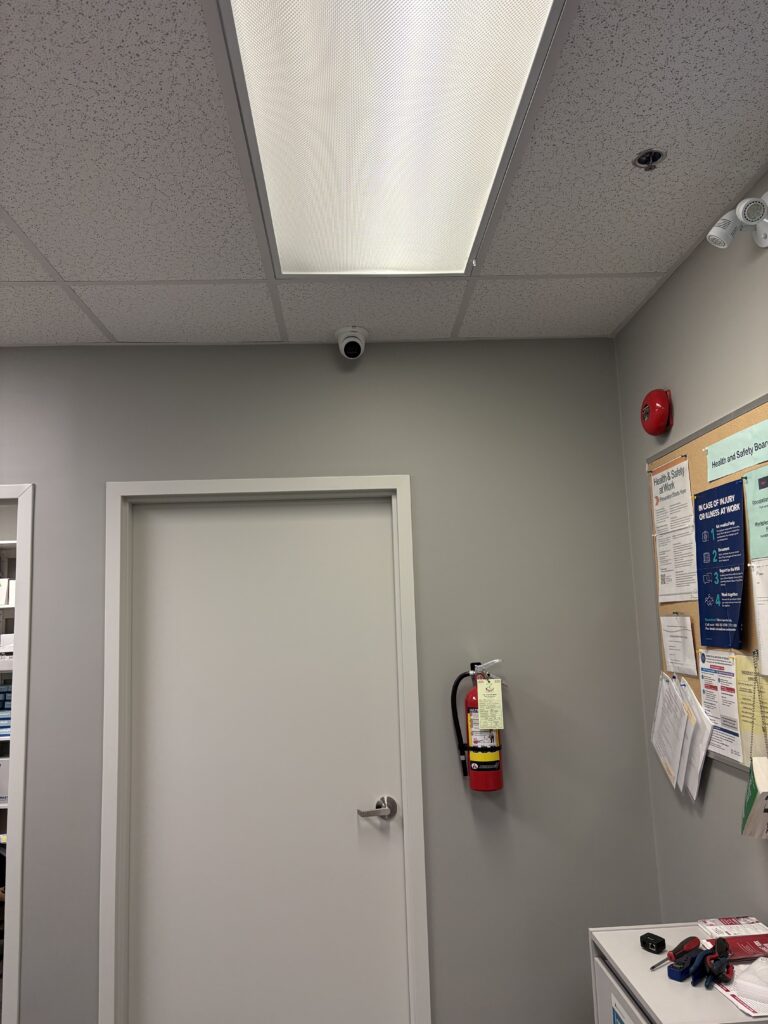
While both residential and commercial electrical systems serve the same basic purpose — delivering power — they are designed and installed very differently. Residential systems are typically focused on everyday living, supporting lighting, appliances, and comfort within a home environment.
Commercial systems, on the other hand, are built to handle higher demand and more complex operations. They often require larger electrical panels, more extensive wiring, and systems designed to support equipment, lighting, and infrastructure across larger spaces. This added complexity means stricter regulations and more detailed planning.
Another key difference is how these systems are maintained and upgraded. Commercial environments often require ongoing adjustments to support changing business needs, while residential systems are usually more stable but still need updates as technology evolves.
Because of these differences, each type of work requires a specific approach and level of expertise. Understanding how each system operates ensures that installations, upgrades, and repairs are completed safely, efficiently, and in line with current standards.
Client Experience
What to Expect When You Choose Ener-J Electric
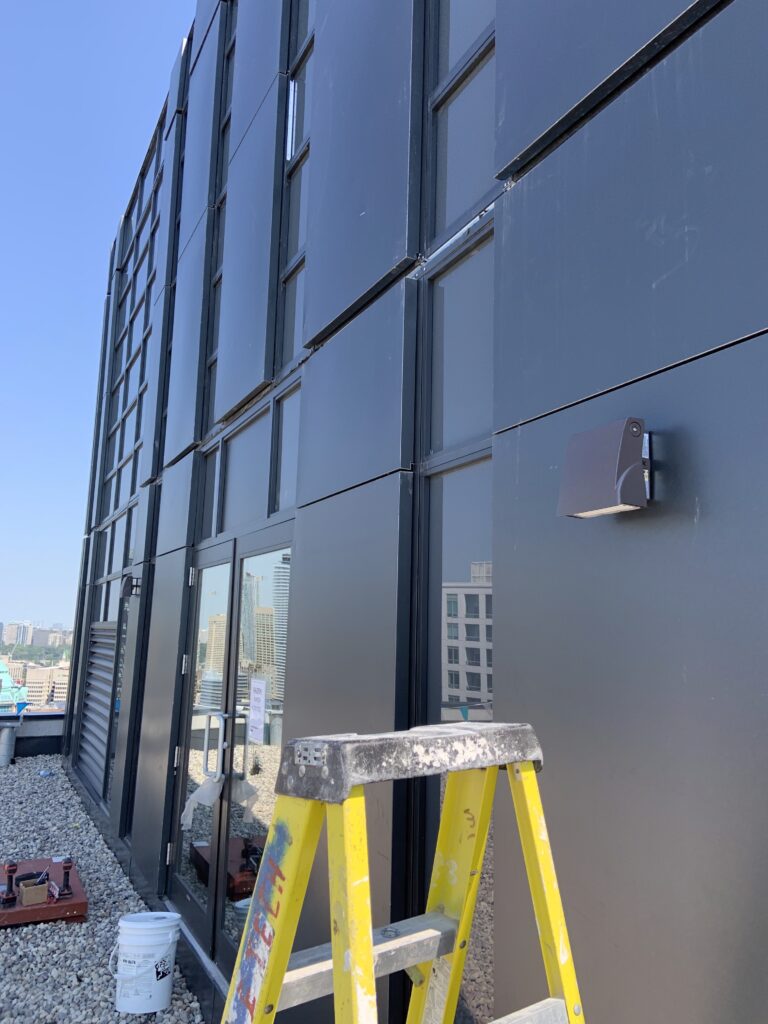
Hiring an electrician shouldn’t feel uncertain. This section answers common questions about how we work, what the process looks like, and what you can expect when you hire Ener-J Electric for your project.
What sets Ener-J Electric apart from other electricians?
We focus on doing the job right the first time. That means clean, organized installations, clear communication, and no shortcuts. Every project is approached with attention to detail and a commitment to safety and long-term reliability.
What types of projects do you typically handle?
We work on residential, commercial, and industrial projects, including panel upgrades, EV charger installations, new construction, troubleshooting, and full electrical systems.
Do you provide estimates before starting work?
Yes. We assess your project and provide clear, upfront information so you understand the scope and expectations before any work begins.
Are your electricians licensed and insured?
Yes. We assess your project and provide clear, upfront information so you understand the scope and expectations before any work begins.
Do you handle both small jobs and large projects?
Absolutely. From minor repairs to full-scale installations, we approach every job with the same level of care and professionalism.
How long will my project take to complete?
Timelines depend on the scope and complexity of the work, but we always provide a clear estimate before starting. Our goal is to complete every project efficiently without compromising on safety or quality, while keeping you informed every step of the way.
Can you upgrade my system to support future needs?
Absolutely. We don’t just focus on your current requirements — we consider future demand as well. Whether it’s preparing for EV chargers, additional equipment, or expansion, we design systems that are built to grow with you.